Online booking app development: A full guide with expert insights
Transform your booking app idea into reality. Learn from experts and build a solution your users will keep coming back to!

Online booking app development means building a platform where customers can reserve, reschedule, pay for, and cancel services on their own — from taxi rides and deliveries to hotels, clinics, and salons. A good booking app cuts no-shows, saves staff hours, and puts your business in the customer’s pocket. But building one isn’t just coding a few features and calling it a day: it must work effortlessly, remain reliable, and stand out in a competitive market. That’s why we prepared this guide — we’ll cover the process, share expert tips, and highlight key features so you can confidently take on mobile application development.
Why does your business need a booking app?
Think about how much time gets wasted going back and forth to confirm bookings, dealing with no-shows, or sorting out scheduling mix-ups. A booking app changes this game. It puts your business right in customer’s pockets, making it easy for them to reserve, reschedule, or even cancel without the hassle. For you, it’s less stress, more efficiency, and a way to stay ahead of the competition. If you’re wondering why mobile apps are such a big deal, we’ve got another article — Advantages of mobile applications for business — that explores this. But trust us, when the booking process is smooth, everyone wins.

Types of online booking apps
Different businesses need different solutions, and the type of app to choose depends on how customers interact with you. Some people need a service right now, while others plan ahead for a specific time or date. Understanding these differences is vital to building an app that works for business — and keeps customers coming back. Let’s break it down into two main categories to see where your needs fit best.
On-demand booking apps
When customers need something right now, on-demand booking apps deliver speed and convenience. The key to their success is real-time availability and smooth communication between users and service providers. They act as the time-savers, making everyday tasks simpler with just a few taps.
Taxi services
Taxi services are probably the first thing that comes to mind. These apps connect riders with nearby drivers, offering convenience, real-time tracking, and cashless payments. Popular examples include Uber, Lyft, and Bolt, which have set the standard for this industry.
Delivery services
Delivery apps have revolutionized the way we shop and eat. These platforms make it possible to order groceries, meals, or packages and have them delivered in no time. Apps like Landtran and 24-7 Couriers are great examples of how such services cater to modern lifestyles.
Home services
Need a plumber, electrician, or someone to assemble furniture? Home service apps have you covered. These platforms let users book professionals for various household needs, often with reviews and transparent pricing. Apps like TaskRabbit and Homee show how easy it is to find and book reliable help online.
Laundry services
For those who’d rather skip a trip to the laundromat, laundry apps are a lifesaver. These platforms connect customers with providers who pick up, clean, and deliver their laundry, all with a few taps. Examples like Rinse and Cleanly highlight the growing demand for such platforms.
In-advance booking applications
Some services are planned, making in-advance booking apps a perfect fit. These platforms allow customers to schedule something or secure reservations when it suits them. This way, users experience flexibility while businesses get an opportunity to organize operations, reduce no-shows, and even upsell.
Hotel booking
Hotel booking apps simplify travel planning, offering users a wide range of accommodations, reviews, and competitive pricing. Popular names like Booking.com and Airbnb dominate this space, catering to travelers looking for convenience and variety.
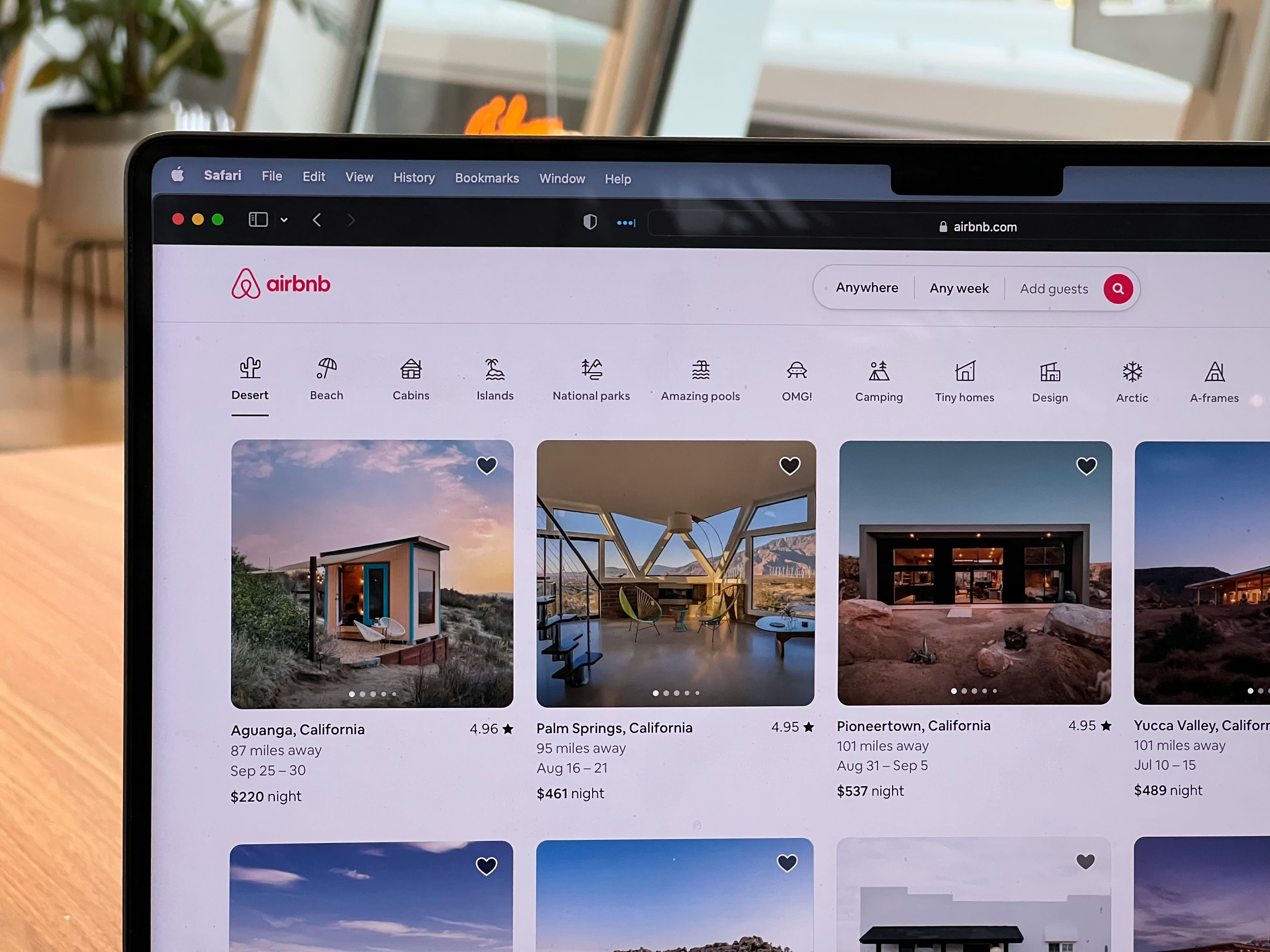
Flight & Travel booking
Flight and travel booking apps streamline reserving flights, train tickets, or even entire travel packages with price comparison and update notifications features. Apps like Skyscanner and FlightStats are go-to options for travelers who want to save time and money while planning their journeys.
Restaurant reservations
Booking a table at a restaurant has never been easier, thanks to apps designed to manage reservations, provide waitlist options, and offer menu previews. Platforms like OpenTable, Resy, and Yelp lead in this category, helping users secure their perfect dining spots.
Healthcare appointments
For healthcare, booking platforms bring efficiency and ease to scheduling doctor visits, therapy sessions, or lab tests. Such apps often include reminders, patient histories, and virtual consultation options. Examples like Zocdoc and Figurel show that managing health appointments is straightforward and stress-free.
Beauty services
From salons to spas, beauty booking apps cater to customers looking to schedule treatments on their preferred dates. They highlight availability, offer reviews, and even let users browse different services. Apps like Fresha and Treatwell are popular in this sector, focusing on convenience and personalization.
Event tickets
Event booking apps let users secure tickets for concerts, theaters, or sports matches in just a few clicks. These platforms often include seating maps, payment options, and event notifications. Apps like Eventbrite, Ticketmaster, and StubHub excel at simplifying the event-going experience for users and organizers alike.
General appointment scheduling
For services like consulting, tutoring, or professional sessions, booking apps provide a streamlined way to manage schedules. With them, businesses can offer time slots, send reminders, and even process payments. Examples like Calendly and Setmore are popular for their intuitive design and versatility.
IvorySoft mobile app development roadmap
At IvorySoft, we’ve been around the block when it comes to mobile app development. With years of experience, we know what it takes to create a functional product. And now, we’re pulling back the curtain to share it with you, providing some insights you might not know.
Step 1: Discovery phase
To start with, we analyze your idea, dig into the details, and explore how it can solve specific challenges. This includes market research, which helps us understand competitors, target audience, and industry trends. Together, we define your business and marketing goals, outline a feature list, establish user bases, and identify potential risks. By the end of this phase, you’ll have a clear picture of the app development cost — no surprises down the line.
One of the most critical steps at this stage is assembling the right team. We handpick specialists with the skills and experience, ensuring every aspect is handled carefully. Plus, to build a friendly connection between the experts and the client, we set up an initial call. This approach helps us build trust and ensures everyone involved is on the same page, avoiding any misunderstandings down the road.
Step 2: Business analysis
At this stage, we explore what the platform needs to deliver real value. Our experts gather input from stakeholders, users, and customers to define requirements, leaving no room for guesswork. For this, we use methodologies like interviews, surveys, and user journey mapping to capture the essentials. Plus, we prepare an estimation of the project timeline, giving you a clear understanding of the work scope.
To keep things on track, our project managers outline tasks, plan resources, and document requirements in detail. Before moving forward, every aspect is reviewed and approved in accordance with your vision. For instance, in one of our projects, we discovered that users valued real-time updates and added this feature to the task list. This way, we improved the customer experience and avoided the risk of dissatisfaction later in development.
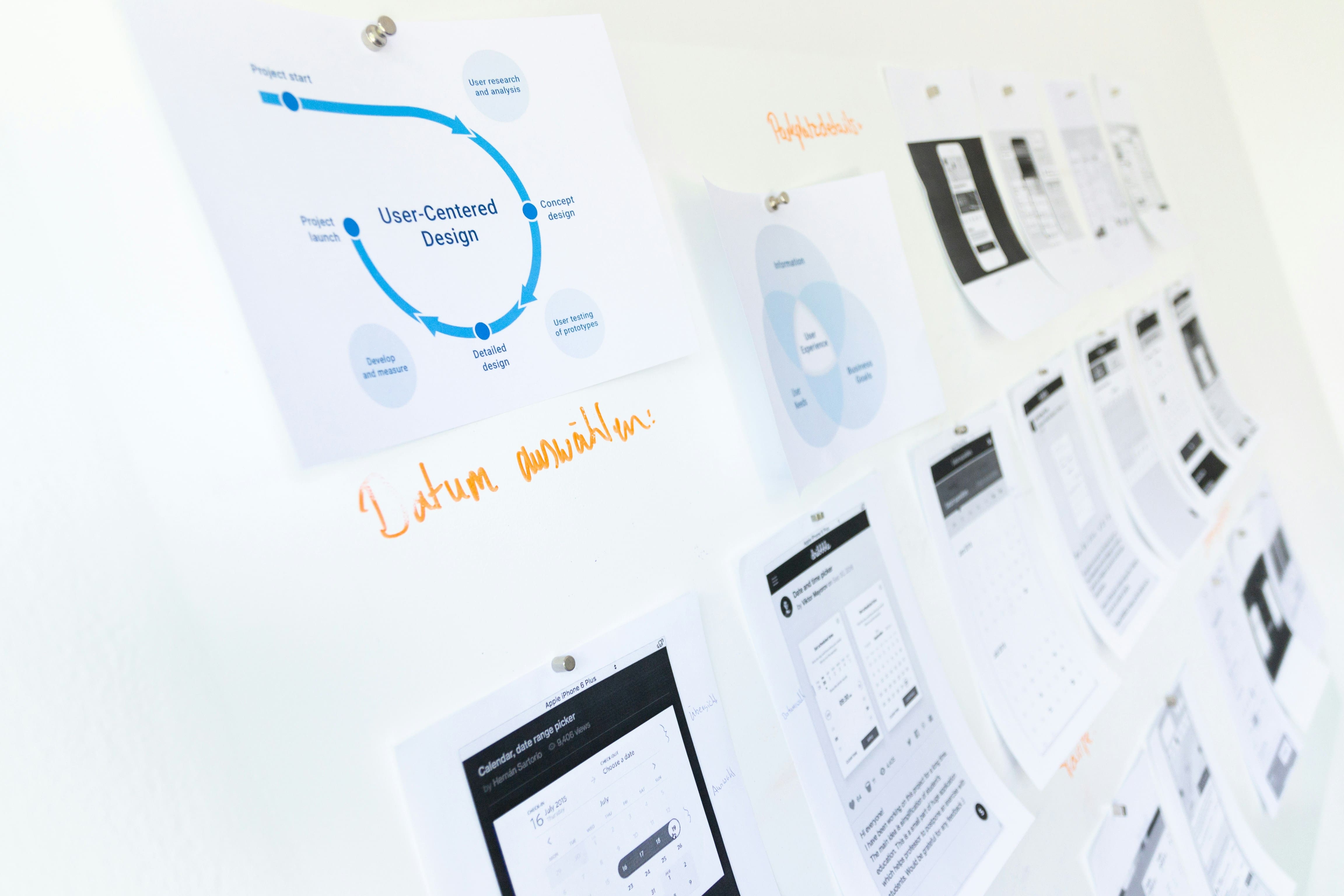
Step 3: UI/UX design
In the design phase, our team analyses competitors, market trends, and conducts usability testing to understand what works and what doesn’t. A/B testing helps us gather real-world data, so every decision is backed by insights, not assumptions. Once we have a solid foundation, our designers provide several unique concepts to choose from, ensuring the final look aligns perfectly with the initial vision.
When designing, IvorySoft experts rely on a key principle — simplicity. The fewer steps users need to take to complete a task, the better their experience. That’s why we place the most-used features front and center to reduce frustration and increase engagement. But of course, it all depends on preferences. If you’re aiming for an app that doesn’t just catch the eye but blows minds — we’re here to make it happen.
Step 4: Mobile app development
The application development phase begins by selecting the appropriate tech stack to make the platform fast, scalable, and easy to maintain. As well, we outline the timeline and set clear milestones so that our specialists can handle each part of the process. By defining these elements upfront, we keep everything on track, letting you know what’s happening and when to expect results.
To ensure seamless feature development and deployment, we rely on advanced DevOps tools and practices tailored to each project. For example, our team uses continuous integration and delivery (CI/CD) pipelines to test and deploy every code change efficiently. This approach allows us to catch potential issues early and deliver updates faster without disrupting the app’s performance.
Step 5: Quality control
After the app development, our Quality Control (QC) team conducts functional and non-functional testing. This includes regression, system, integration, and release testing to ensure the platform’s features work seamlessly. On the other side, we perform GUI, usability, and localization testing to guarantee the app delivers an intuitive user experience.
Based on a classic Agile Software Testing Life Cycle, our process starts by analyzing requirements to confirm they’re clear and actionable. Then, we move on to planning, where responsibilities and tools are assigned. During execution, our team develops detailed scenarios, configures the environment, and evaluates every aspect of the functionality and design. Once complete, you get a detailed closure report outlining the results and demonstrating the app’s readiness for launch.
8 must-to-have features of a booking app
The success of a booking app often comes down to its features. People want a platform that’s easy to use, reliable, and tailored to their needs. Every detail matters, from how users sign up to how they make payments or get updates. And a thoughtful list of features is what keeps customers coming back.
Multi-lingual support
Making your app accessible in multiple languages is a way to reach a broader audience and make every user feel welcome. This includes adjusting date formats, currencies, and even cultural nuances in the interface. For example, offering region-specific options like Mandarin for Chinese users or Arabic with right-to-left alignment can significantly enhance usability. Plus, it’s a step that can set your app apart from competitors stuck with a one-size-fits-all approach.
Multiple payment options
Offering multiple payment options makes your app versatile and convenient for customers. Users expect flexibility, whether it’s paying with credit cards, mobile wallets, or region-specific options. One popular feature is bill-splitting for group orders, which simplifies those endless calculations of who owes what to whom. You can go even beyond that and add functions like saving preferred payment methods for future use or enabling partial payments to make booking more flexible.
Push notifications
Push notifications are a direct line of communication between the app and its users, but their effectiveness depends on how smartly they’re implemented. Instead of sending generic alerts, you can use behavior-based triggers to make them relevant — like reminding people about an upcoming booking or offering a discount when they abandon their cart. Timing is everything, and notifications sent during peak engagement hours are far more effective.

Log-in/Sign-up
The log-in and sign-up process sets the tone for a user’s entire experience with your app, so it needs to be quick, intuitive, and secure. Offering multiple sign-up options ensures accessibility for a wider audience. Social logins, in particular, streamline the process by letting people access the app with just a click, reducing friction. To enhance security, features like two-factor authentication and CAPTCHA can be integrated without complicating the experience.
Loyalty programs
What could be better than keeping people engaged with loyalty programs? By offering points, discounts, or special perks for using the app, you create an incentive for users to stick around. To take it further, you can add personalization based on customer’s behavior, like presenting a birthday bonus or extra rewards for frequent bookings. A tiered system can encourage people to interact more to unlock better perks.
Booking history
Think about how handy it is to look back and see exactly what you’ve reserved, when, and where. That’s why booking history is a must-have feature. It lets users rebook their favorite services in seconds or check the details of past reservations without digging through emails. For instance, if someone needs to confirm the date of an appointment or revisit an invoice for a work trip, having it all in one place saves time and hassle.
Messaging
Communication can make or break a booking experience, and that’s where in-app messaging becomes essential. Imagine a customer needing to ask a quick question — they shouldn’t have to jump between platforms or wait for an email. With real-time messaging, it becomes simpler for users to communicate directly with service providers. Add alerts into the mix, like instant updates on booking status or reminders, and you’ve got a feature that keeps everyone in the loop.
Ratings and reviews
When people can share feedback about their experiences, it creates transparency and helps others make informed decisions. A quick star rating paired with a short comment can give new users confidence in choosing a service. By the way, you can include filters like “most helpful reviews” or allow businesses to reply, fostering a sense of engagement. This feature also benefits your app by highlighting areas for improvement and ensuring the quality of services offered remains high.
Don’t just plan — create
Running a business means juggling a lot of moving parts, and a booking app development can take some of that weight off your shoulders. At IvorySoft, we understand that no two companies are the same, which is why we focus on creating solutions tailored to specific goals. If you’re ready to give customers an app they’ll love using — and grow business at the same time — our team is here to help. Drop us a line, and let’s create something that works, stands out, and keeps users coming back.
FAQ
How much does it cost to develop a booking app? The cost of booking app development depends on scope, platforms, and team rates rather than a fixed price tag. A focused MVP — one platform, core booking flow, payments, notifications — typically lands in the $40K–$100K range, while a full-featured product with multiple user roles, loyalty programs, and third-party integrations goes higher. The biggest cost drivers are the number of platforms (iOS, Android, web), payment and calendar integrations, and where your development team is located.
How long does it take to build a booking app? A booking app MVP usually takes three to five months from kickoff to release, covering discovery, business analysis, UI/UX design, development, and quality control. Timelines stretch when the app needs real-time availability across many providers, complex payment scenarios, or custom admin tooling. A clear feature list agreed on during the discovery phase is the single best way to keep the schedule predictable.
What features must a booking app have? The essential booking app features are a quick log-in and sign-up flow, real-time availability, multiple payment options, push notifications, booking history, in-app messaging, and ratings with reviews. Multi-lingual support and loyalty programs are strong additions once the core works. The common thread is friction: every extra step between “I need this service” and a confirmed booking costs you customers.
Should I build a custom booking app or use an off-the-shelf tool? Off-the-shelf schedulers like Calendly or Setmore are a sensible start when you only need simple time slots under your own workflow. A custom booking app pays off when the ready-made tools start dictating how you work: you need your own branding, specific booking rules, deeper integrations with your systems, or a marketplace connecting many providers and customers. Custom also means you own the customer relationship and the data instead of renting them.
How do booking apps make money? Booking apps typically earn through commissions or transaction fees on each reservation, subscription plans for service providers, featured placement for businesses that want more visibility, and convenience or no-show fees. Many products combine models — for example, a free tier for small providers plus a commission on processed payments. The right mix depends on who feels the most value: the customer booking or the business being booked.
