Explaining the term “hybrid mobile app” and why your business may need one
Hybrid app is a sweet spot that combines the best of your web to give your users a fantastic mobile experience.

If you have a lot of features on your website and wish they were available on all your devices, there is a solution exactly for this — hybrid mobile apps. That’s a sweet spot that combines the best of your web to give your users a fantastic mobile experience. Once you’re trying to figure it out, look no further. In this article, we’ll break down what that means and why you might want one for your business.
What is a hybrid mobile app?
In simple terms, a hybrid app is an app that works across all platforms. Its main advantage is that it is built on a single code base that simplifies the creation of mobile apps for Android and iOS platforms. This solution reduces development time and costs, while for native apps, in turn, developers have to write separate codes for different platforms.
Hybrid app vs. progressive web app
When it comes to mobile app development for business, one new term pops up — progressive mobile apps, or PWA. Hybrid apps are created with a combination of web and native technologies and offered through a native app store. This approach allows them to access device functions like a native app while being built on web technologies such as HTML, CSS, and JavaScript.
PWAs, on the other hand, take advantage of the latest technologies to provide web applications with a high-quality, mobile app-like experience. They are accessible through browsers but offer functionality traditionally available only to native applications. In fact, the main point of contact between these two types of apps is that they are compatible with all Android and iOS smartphones.
If we talk about the differences, we can also pick out some things. Progressive applications allow you to make changes to the code base that will be immediately displayed. Hybrid applications, however, have a limited number of settings. Due to their cross-platform nature, you cannot enjoy all the benefits of a particular OS because the systems may not support such functionality.
Why is building a hybrid app a good idea for a business?
As we said earlier, a hybrid application reduces time and costs. And these are, perhaps, the main advantages that count for a business. Of course, there are many more reasons why such an app is a good idea, and we’ll explain them in more detail.
First and foremost, if you use one cross-platform framework, you can launch your product faster and start growing in the market. This is beneficial, isn’t it? When your app functions well, you attract customers, which means you are probably getting conversions. This way, you achieve multiple goals at once — save money, cut down on time, and generate income.
Defining the pros & cons of hybrid apps
It is always difficult to make a choice, especially if it matters to your business’s success and can significantly affect it in the future. Hybrid applications, like anything else, have their upsides and downsides. So, let’s have a chat about what they are so you can make the right decision for your project.
| Pros | Cons |
|---|---|
| Hybrid apps can be a huge time and resource saver, as, with just one piece of code, you can run your app on both iOS and Android. | The speed and performance of hybrid applications may be slightly slower than native ones. |
| Since you don’t need to hire separate development teams, you keep your costs down. | The testing process can take longer, as a hybrid app needs to get the green light on several platforms before it can be launched. |
| These apps combine web technologies with native device functionality and provide access to the device features you need. | As hybrid apps are written in third-party languages, developers need to consider both “Software Development Kits” (SDKs) rolled out by Google and Apple when updating their software. |
| With a single code base, you can launch your app on the market faster and start attracting users. |
Some examples of hybrid apps
You may not know it, but many well-known companies have switched to hybrid apps or started with them. Probably, even your smartphone has hybrid applications that you use most often. Well, let’s take a look and find out if it’s really true.
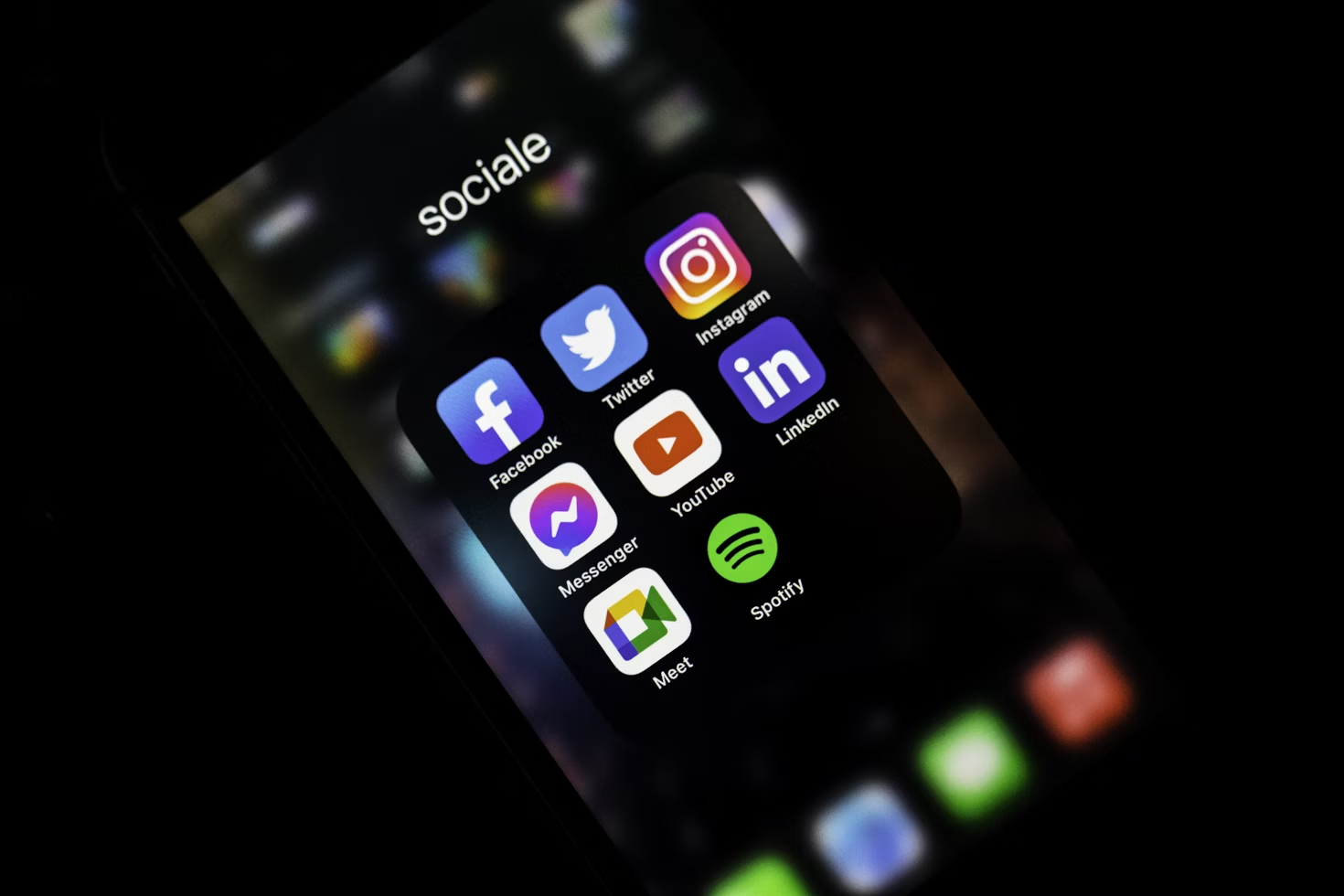
Instagram is the most popular social network for sharing photos and videos that you can’t help but use or at least hear about. This project began with the development of a native application that was designed for mobile use only. However, that changed after Facebook, now Meta, bought this popular social network and rewrote it in React Native. On this platform, you can join a large community, communicate in just a few clicks, post images, watch videos, and much more.
Discord
Discord, a chat network popular among gamers, has been a hybrid application since its conception. The developers of this project wanted to provide their users with the possibility of fast voice, video, and text communication, which is why they decided to create a single code base. Nowadays, millions of people use this platform to communicate with friends, communities or just hang out and have fun.
One of the most popular hybrid applications is Twitter. This platform was able to overcome all the obstacles and delays and, using a hybrid approach, handle a high traffic flow and be productive at the same time. Users can use a number of short messaging tools that are available both in the app and in a browser on a mobile device or computer.
NerdWallet
With NerdWallet, users can keep track of their budget, finances, and credit in one place. It is a little-known fact that the developers of this app had several attempts with native codebases that ended in failure. After all, they chose a cross-platform framework that ensured maximum performance of the application.
The bottom line
When people choose to download your app, they expect speed and ease of use, or, in short, a better experience. This is where a hybrid app can deliver the efficiency your users crave and your competitors fear. Of course, there is no one perfect fit for every business because needs differ, and so do solutions. For some, a native app is a great option, while others are considering switching to a hybrid one. More so, both have their pros and cons, and it’s up to the business owner to choose which one suits them best.
If this article has made you think about creating a hybrid app or switching to one, our team is always happy to help. At IvorySoft, we will create a custom application tailored to your requirements so that you can give feedback to your users faster and speed up the process of fixing bugs. So take your time, think about it, and decide what’s best for your business and yourself. We are here 24/7, and if you have any questions or would just like to chat, get in touch with us.
FAQ
How much does it cost to build a hybrid mobile app?
Building a hybrid app can cost less than a native one and can range from $30,000 to $150,000, but it depends on a few things. The more complex your app is, with fancy features and so on, the more it’ll run.
Which software is used to build hybrid apps?
Some of the most common software options used to build hybrid apps include Ionic, React Native, Xamarin, and PhoneGap.
What languages are hybrid apps written in?
Hybrid apps are built using popular languages for web development, namely HTML, CSS, and JavaScript. This lets developers leverage their existing web skills to create mobile apps that work across different platforms.
