How to create a chat app in 2022
In this blog post, we provide the main steps on how to create a messaging app. There are the key points to make you chat app unique in 2021.

How many messages do you type a day? It may be a pretty big number if you think about it. Chatting has become one more integral part of our lives. Do you even remember the time when the only option was SMS-texting? Probably, vaguely. Messengers have completely changed the way we interact with each other daily. Yet there is still room for new ideas to bring our social life to the next level.
Before diving into a whirl of the app development in 2022, remember to make your users the center of it all. Figure out what real-life issues your app can solve. Allow plenty of time for defining your target audience, market analysis, and considerate research on whether people actually need your app and why. Come up with an honest and feasible goal and then go for it
What is special about 2022 with regard to app building
To launch a new app this year seems especially risky, but still worth a try. Here are a few key thoughts on what makes this year different:
- World crisis requires bigger investments to build a high-quality product.
- Lockdown has reinforced outsourcing and now it is one of the best options to consider if you weren’t into it before.
- It is worth including the feature of video and audio calls right away in your MVP messenger app to increase its competitiveness.
- Today high security of the chat app, that can be easily proved to users, works better than any well-elaborated marketing campaign. The best example is the growing popularity of Telegram worldwide.
- The simpler the better. Include only essential features and create a minimalistic UI/UX design that corresponds to the current trends.
To deploy a new app in 2022 you should be both: realistic and optimistic. Realistic, because you need to keep in mind the possible risks and be ready for them. Whereas optimism will give you the courage to venture out and actually try to bring your idea to life.
How to make your app unique
Despite tight competition among messenger apps, there are ways to stand out. Let’s have a look at some of them.
Target a narrow audience
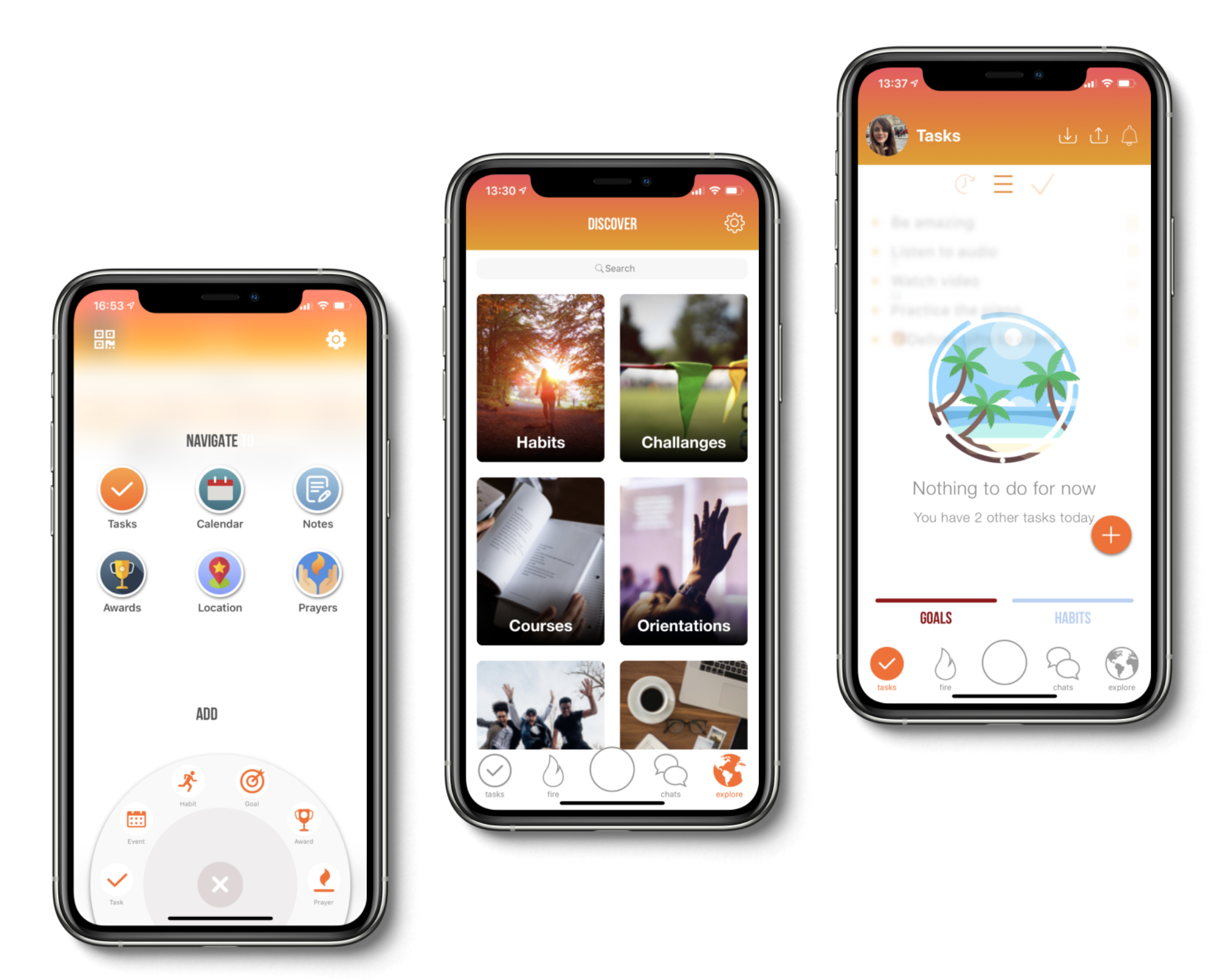
Rather than aiming at all users at once, it is better to choose a niche audience for your app. Conduct substantial research on what major issues your potential users are facing in day-to-day communication and offer them the perfect solution. For instance, our messaging app OnFire helps families organize their busy domestic life in an interactive and productive manner.
Add other features apart communication
To release a state-of-the-art messaging app make it more than just messaging, not necessarily as multi-purpose as WeChat. Though do some serious thinking on the additional features that can make it peculiar. Like it is with the app OnFire, within which users can also track and achieve goals, create new useful habits, get awards, make notes, set, assign and schedule various tasks, and of course continuously chat with each other.
Make if free of charge
It is important for messenger apps as this way you attract more users, build their trust, and encourage them to stay with you for longer. This is the case as of the MVP stage so of the future releases. Apart from that, do not include any ads, as it is too distracting and eventually can drive away your users. In this regard follow the example of such apps as Telegram and Signal.
Add integration with other apps
This especially concerns the Slack messenger, which offers integration with Trello, Google Services, Twitter, Facebook, GitHub, and others. Of course, it should be audience-specific, for instance, add GitHub only if developers are going to use your app. Such integrations enhance the scope of activities for your users and make it easier to share data within different apps.
What features to include
Let’s divide the feature set that should be in your chat app on MVP and Advanced for the later app updates.
MVP Basic Features
- User profile that can be set up
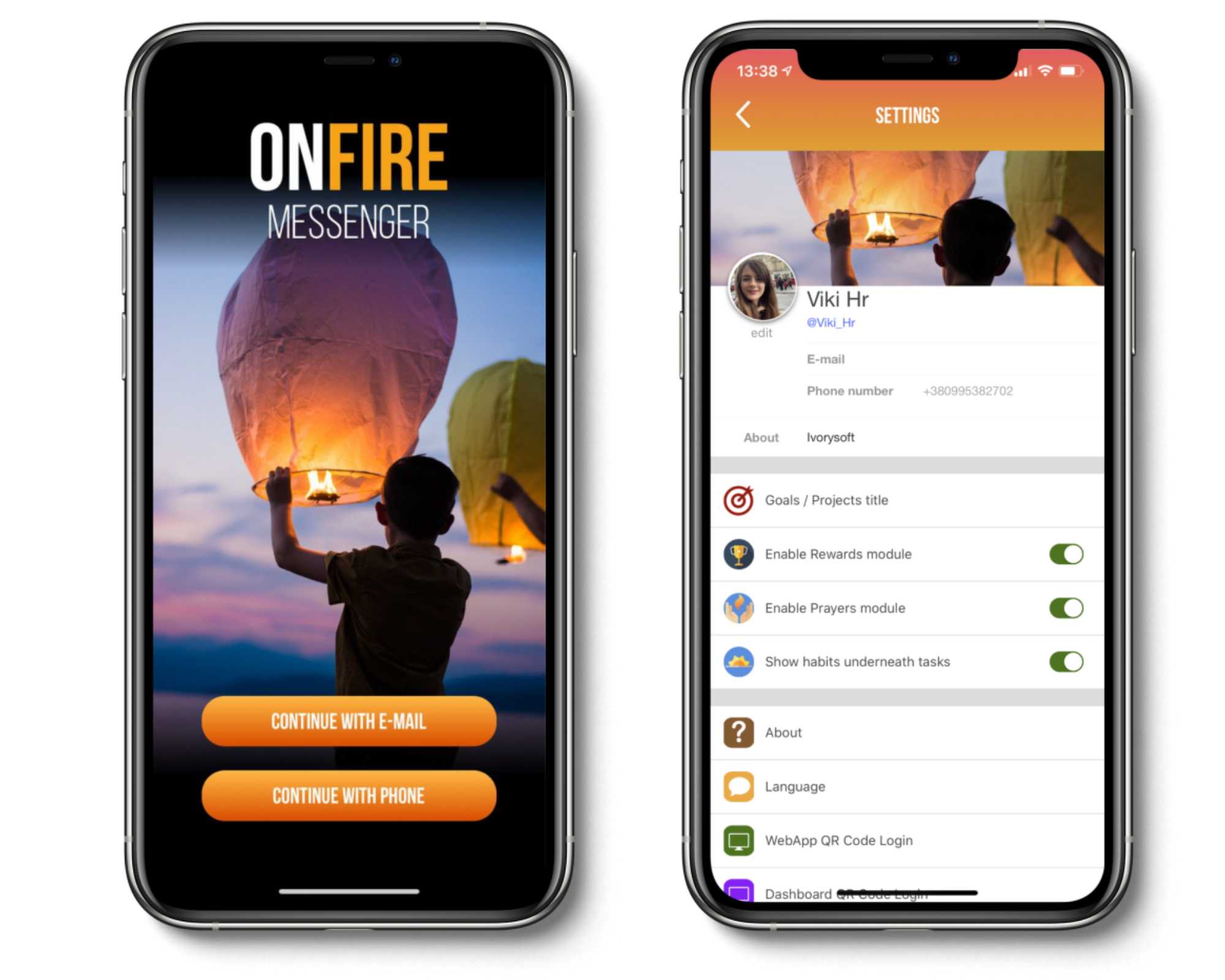
Give your users a choice to sign up either with an email or phone. Email authentication is considered more secure, although the majority of messenger apps still use only phone number authentication for immediate integration with the user’s contact list. Also, provide a personal account that can be easily adjusted in line with the user’s needs and preferences.
- Push notifications
A go-to feature for all mobile apps, and in particular messengers. It encourages users to frequently open an app and eventually spend more time in it.
- Personal and group chats
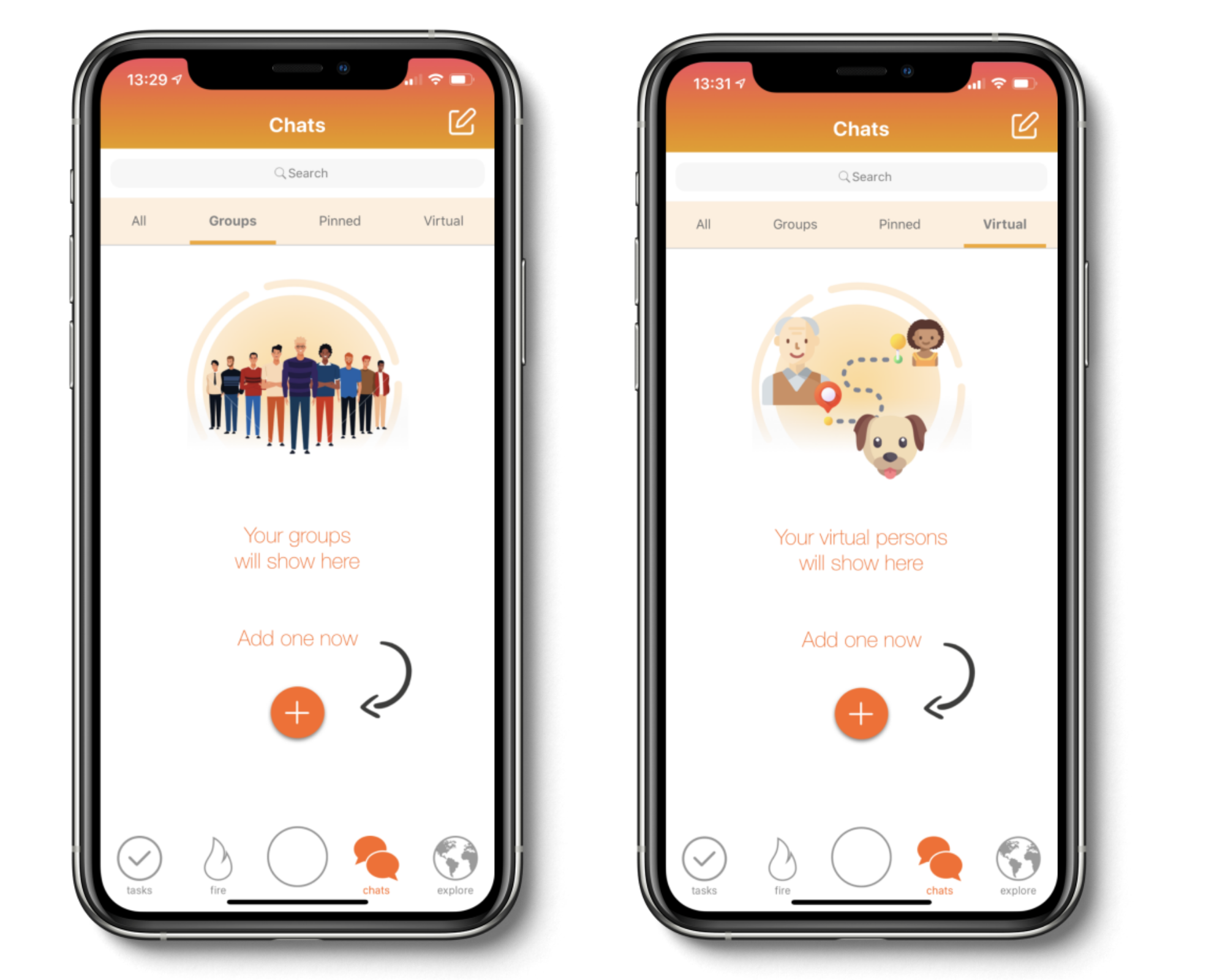
Offer users more communication possibilities with group chats. To make it easier for them to invite all their friends to a party and quickly share something important or funny. Plus, you can add virtual chats to your app as an alternative to the chats people have with themselves in other messengers.
- Different message types: text, audio, video, location, or image
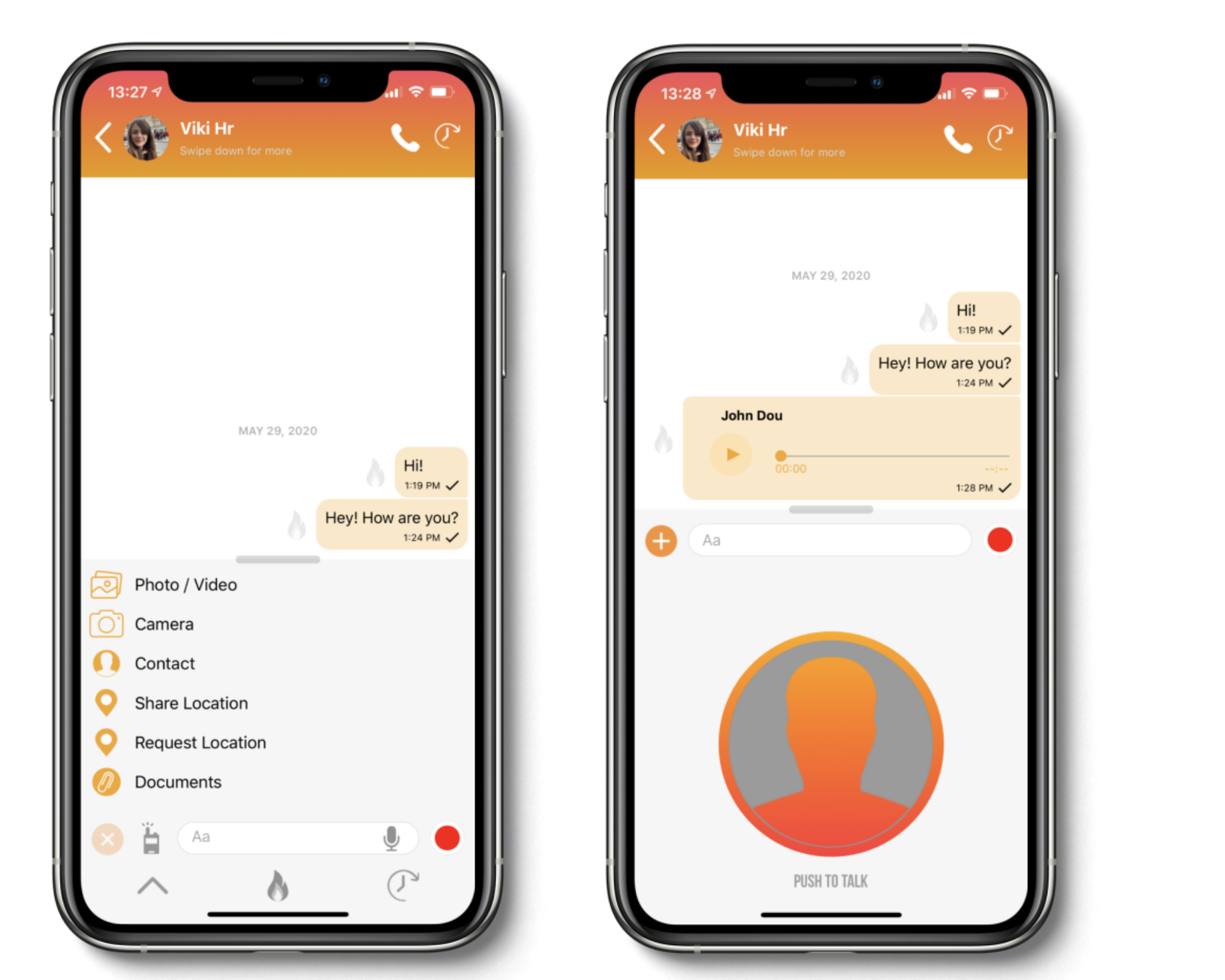
An essential feature for a 2022 messenger app to stay afloat on the market. It adds more diversity to daily communication and appeals to different sensory organs. Thus people can grasp and share the information in the most convenient way for them.
- Delete, pin or edit messages
Whereas to delete and edit messages is more common, pinning is still not that frequently added. Though it is super convenient and a true time-saver if you need to quickly find an important message in the long conversation.
6. File exchange
An integral feature that fulfills our need to share with each other any information and in any format. There is also a growing tendency to send photos as a file to save the original quality.
Advanced features
- Video and audio calls
As was mentioned above it also makes sense to add this feature on the MVP stage to significantly increase app competitiveness. However, the difficulty of implementation makes this feature more of an advanced nature, as lockdown has emphasized for us the importance of high-quality video communication.
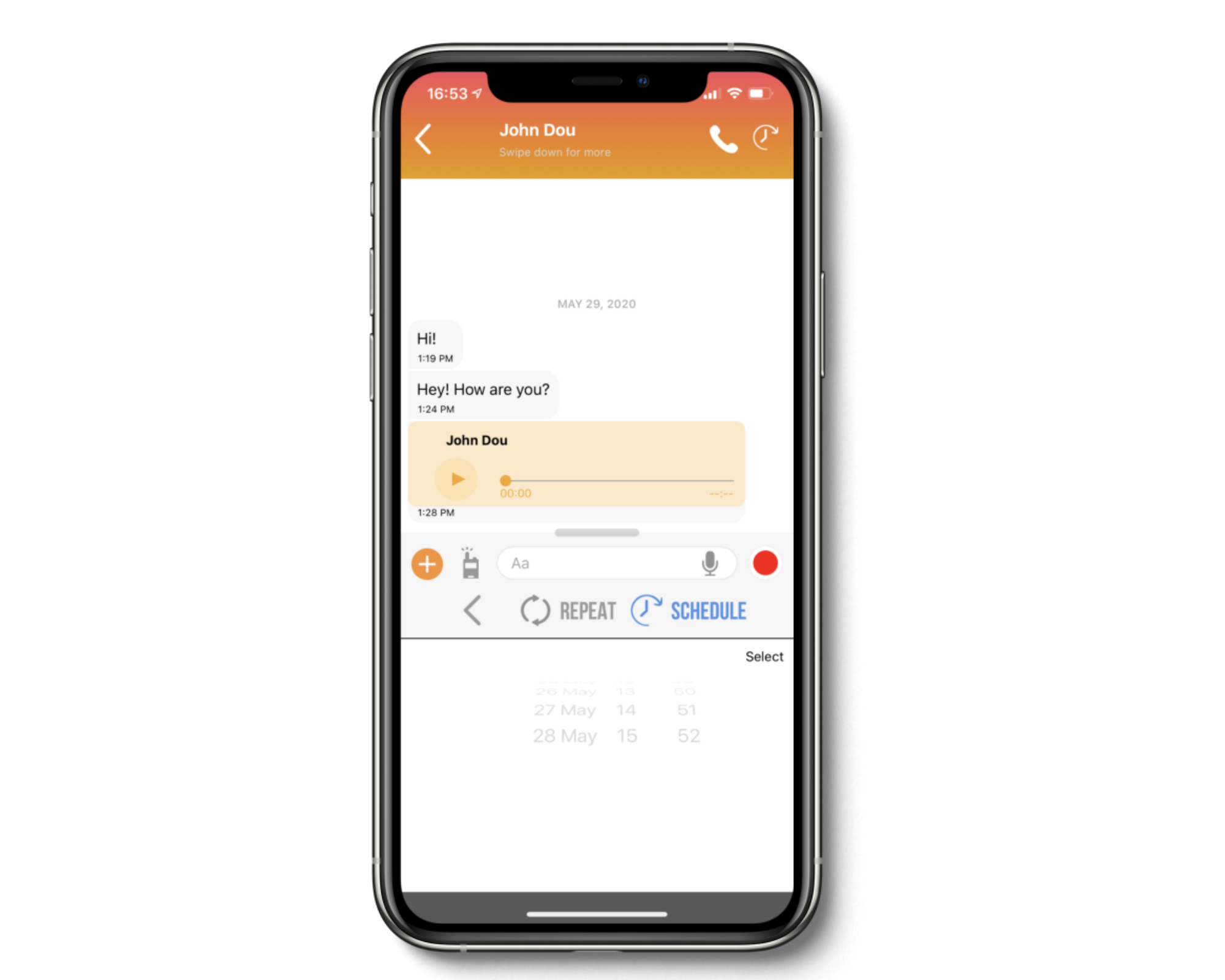
- Scheduling messages
Another additional feature, that can make your product stand out against others. Users set up a time at which the message will be sent to a certain person. For instance, It comes in handy when your friend has a birthday and you want the message with warm wishes to come right at midnight, but you are not sure you’ll stay awake till that time.
- Secret and highly-secure chats
Telegram messenger is the most prominent example of this feature, offering ultra-secure self-destroying chats for those who want to communicate in the safest way possible. You can create a secret chat with anyone on your contact list and program it to destroy itself at a certain time.
- Stickers
A fun feature that adds emotional vibes to any conversation. You can also let users create their own stickers.
What technology stack to choose
Just like with any mobile app when developing the messenger you can opt for native or cross-platform development. Not mentioning hybrid on purpose, as it drastically impacts UX. Native iOS on Swift and Android on Kotlin ensures you get the best-performing products for both OSs. Though it has its significant price in respect of time and money.
Cross-platform development in React Native on JavaScript or Flutter on Dart gives you an advantage if you have a limited budget and want to launch your app to both stores much quicker. Plus, any chat app must have real-time messaging updates. In this regard we make use of Firebase, it is a quick solution and does not require any backend socket implementation, read more in our article on socket reactive pagination, there you can also find an actual code example. However, if you have the possibility to invest more money in your MVP, it’s even better to choose socket.io for that purpose, as it is more adaptable to each individual project.
To ensure the high security of your messenger you can implement default encryption of information and RSA algorithm of data transfer through SHA-256. Besides, it is better to store the messaging history of your users in the cloud rather than on the users’ smartphones, following the example of Telegram and Slack, as this is a proven way of stronger protection.
Here is the real-life example with the list of stack we used to develop our OnFire messaging app: React Native/Firebase(Firestore, Reactive sockets)/PHP/ Redux-Saga / Redux-Persist / React-Navigation / RN Camera / RN Audio / DigitalOcean / FlowTypes / ImmutableJS. Besides that, we’ve also implemented Twilio SDK that allows you to send messages from OnFire to other users’ default SMS apps.
Anyway, to choose the right technology set for the future app requires some substantial work. Take your time to find a reliable development partner (agency or freelancer) and only after the thorough discussion of the project with potential developers you can come to a final conclusion on what tech stack it is better to choose.
To draw a line, here is a checklist of what you should undertake to launch a successful messenger app in 2022: define the main goal of your app, set budget and time limits, target a niche audience, come up with a few additional and non-typical features, comprise a realistic plan, preferably find an outsource partner to materialize your idea and you are good to go.
