AR app development guide: Trends, technology stacks, and best practices
Explore how AR apps are transforming industries beyond gaming. Discover the latest trends, tech stacks, and best practices in AR development with us!

Augmented Reality (AR) apps are changing the way we see the world. They allow us to become a part of virtual environments, offering new experiences and emotions. The functionality of these applications is impressive, while the number of people eager to explore them is growing.
Typically, these solutions have gained popularity in the gaming world. And if you previously thought the same, this guide will show you how these cutting-edge technologies are gaining popularity across various industries.
What is AR app development?
Augmented Reality (AR) app development is the process of creating applications that overlay digital content onto the real world, making it interactive and manipulative through devices like smartphones, tablets, or AR glasses. Simply put, these programs provide a composite view to the user, where the lines between what’s real and what’s computer-generated blur beautifully.
The journey of AR started in 1968 at Harvard, where Ivan Sutherland, often hailed as the “father of computer graphics,” developed the first AR head-mounted display system. Over the years, labs, universities, companies, and national agencies have pushed the technology forward. These early AR systems, capable of overlaying virtual information onto physical environments, were primarily used in aviation, military, and industrial settings to enhance real-world tasks with digital data.
Fast forward to the present, and AR has hit the mainstream, thanks in part to apps like Pokémon Go. Launched in 2016, this gaming sensation captivated millions globally and showcased how AR can integrate into daily entertainment, turning neighborhood walks into interactive adventures. By now, AR apps come a long way, becoming popular in healthcare, retail, and beyond.
Different types of augmented reality apps
Depending on what you aim to achieve, AR apps can vary significantly in their design and functionality. In the following sections, we’ll explore the various types of AR apps, so you can find the appropriate option just for your business.
Marker-based AR
Marker-based AR apps use a camera to identify and decode markers or images in the real world to trigger the display of virtual content. These can be anything from simple QR codes to complex pictures. When the AR app recognizes a marker through the device’s camera, it overlays digital information onto the physical space, creating an interactive experience that’s tied to specific physical objects.
Examples of these apps can be found in the advertising and educational sectors. For instance, a poster might come alive with a 3D model of a product when viewed through an AR app. In education, textbooks can include markers that, when scanned, display interactive 3D models or historical videos, making learning more engaging and interactive.
Markerless AR
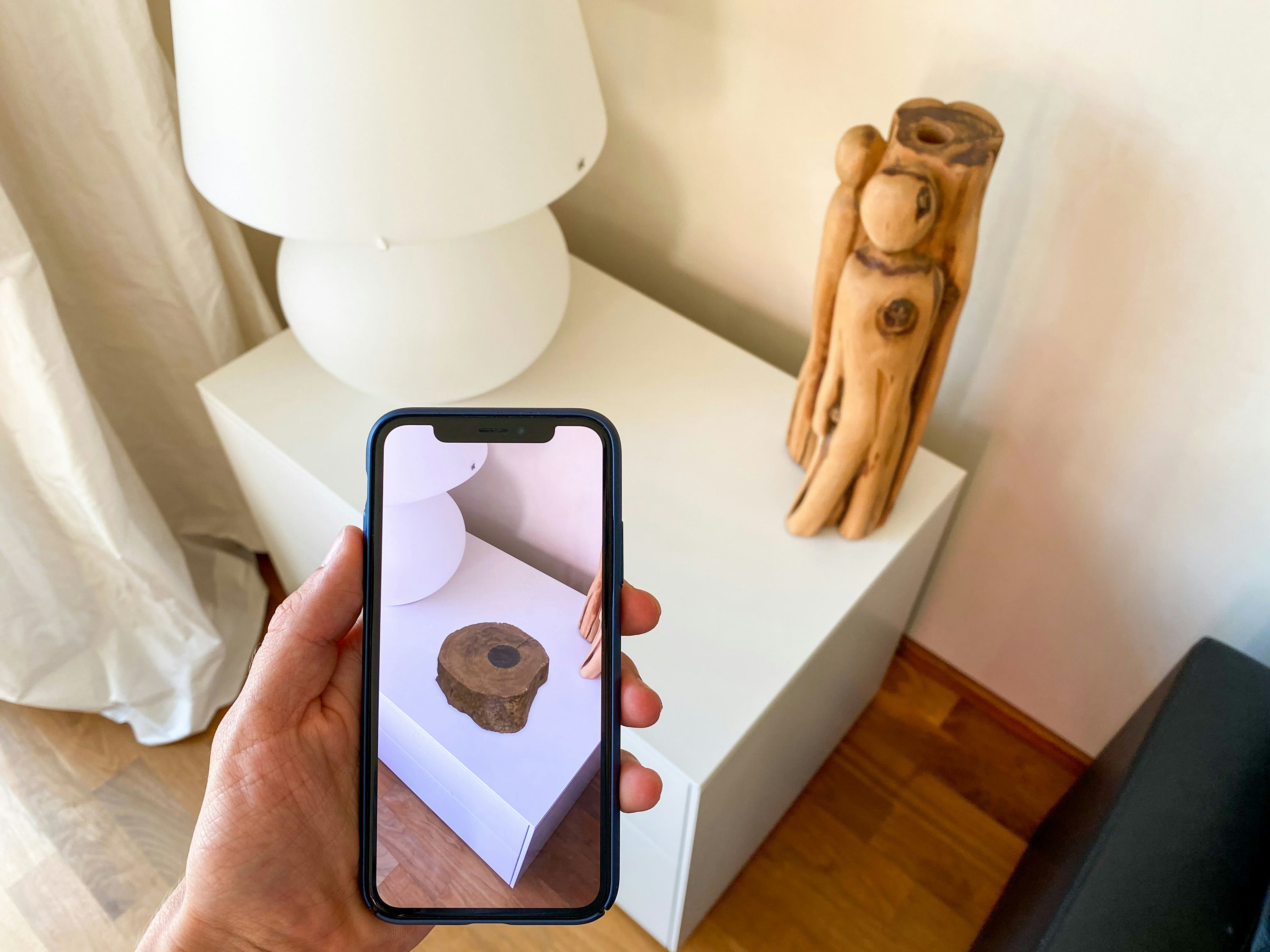
Unlike the previous type, markerless AR does not rely on predefined markers to overlay digital content. Instead, it uses advanced algorithms and sensors to analyze the environment, understanding the geometry and location of surfaces in real time. This flexibility allows for more spontaneous and versatile AR experiences that can be used anywhere without the need for specific physical cues.
Markerless AR is especially popular in interior design and gaming. Apps like IKEA Place allow users to visualize furniture in their own homes by simply pointing their smartphone’s camera at the desired space. This way, users can experience how different styles and arrangements would look in their actual living spaces before making any purchases.
Location-based AR
By leveraging GPS, digital compass, and other positional sensors in a device, Location-based AR apps provide amazing experiences tied to a specific geographical location. This type of AR doesn’t need markers or images to trigger the content. Instead, it uses the location itself to enhance the user’s real-world environment with virtual data. This approach makes it highly effective for navigation and exploration apps.
A practical example of location-based AR can be seen in Google Maps’ Live View feature. This tool overlays navigation directions onto the real world as seen through your phone’s camera. The result is a more engaging navigation experience, allowing users to walk through unfamiliar places with confidence.
Superimposition-based AR
Superimposition-based AR changes the way we perceive our environment by replacing the original view with an augmented version. This type relies heavily on object recognition technology. This means that the AR system must first recognize the object in the camera and then either partially or fully replace it with an augmented view.
A notable application of this technology is in the medical field, where surgeons use AR goggles to superimpose digital images directly onto the patient’s body during procedures. This can enhance precision by overlaying critical anatomical data in real time.
Mixed reality
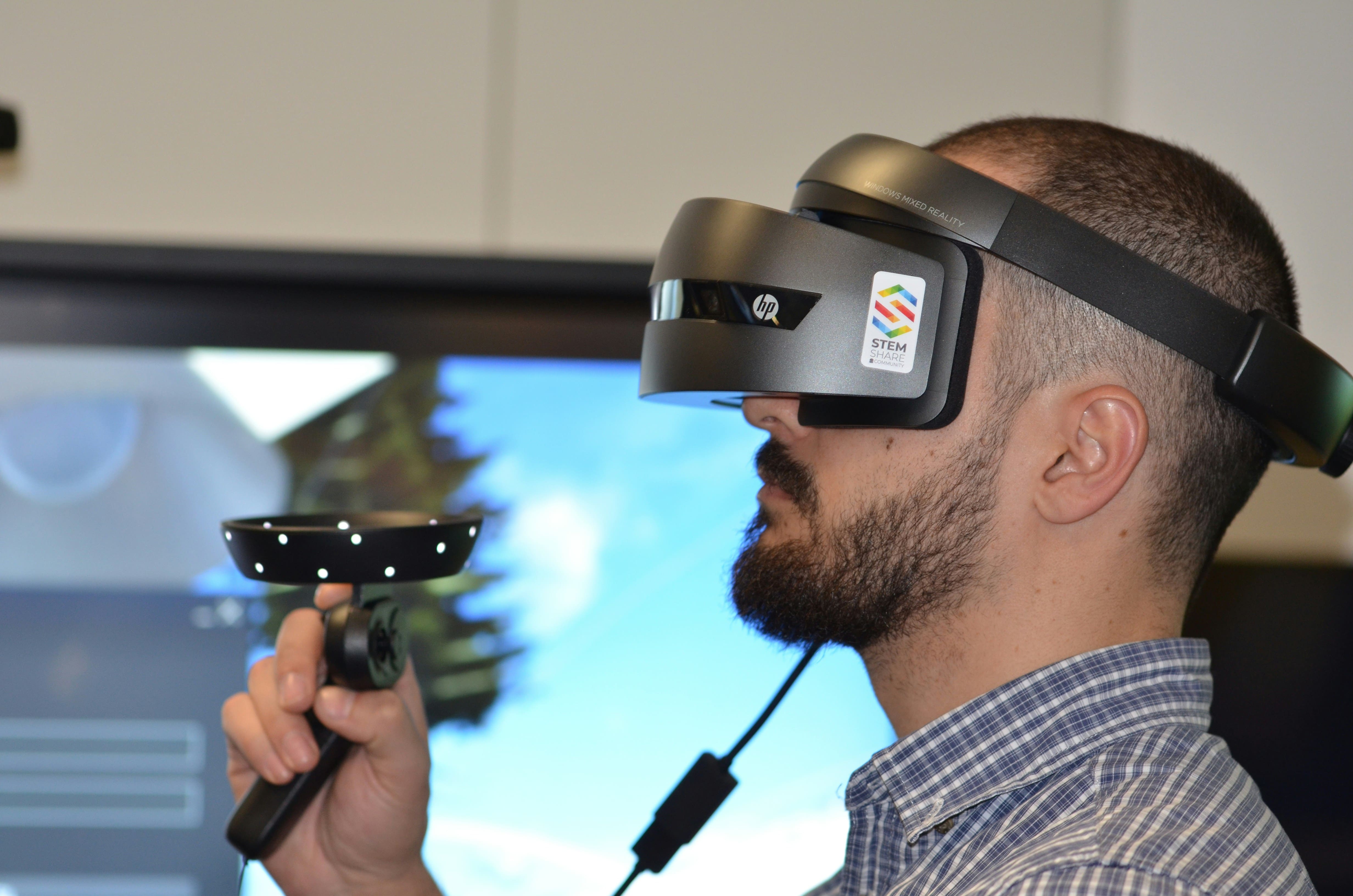
Creating a new environment where physical and virtual objects co-exist and interact in real-time is possible with mixed reality apps. This form of augmented reality combines the best of both physical and digital worlds to create deeply engaging experiences that can be manipulated and explored from multiple angles.
In industrial applications, AR technology revolutionizes training and maintenance processes. For example, Microsoft company presented HoloLens technology that creates mixed reality simulations for training purposes. With such a solution, employees can easily interact with realistic holographic equipment, improving their skills and knowledge.
What to consider when planning the AR app
So, you’ve decided an AR app could enhance your business. Great choice! But before rolling up your sleeves and starting the development phase, there are some considerations to tackle. Let’s take a look at what you need to think about before joining the AR environment.
1. Identify a target audience
A crucial part of your AR app development plan is understanding who your product will appeal to. Start by analyzing the preferences of the people who will use your product. Find out their demographics, define their age group, and outline the possible features they are looking for. All this information helps in creating a user persona, a key point for further scope of work.
2. Create a business plan
Once you’ve identified your target audience, the next step is to create a solid business plan. This document should include your app’s goals, revenue model, marketing strategy, and budget. With a clear business plan, the way from concept to launch becomes easier, keeping you focused and aligned with your objectives.
3. Calculate budget and costs
Next in line is finances. Calculating the budget and costs involves estimating expenses for development, marketing, maintenance, and any additional resources you might need. Understanding these costs upfront helps you allocate funds wisely and avoid unexpected financial hurdles down the road. A well-planned budget ensures your AR app project stays on track and within financial limits.
Step-by-step guide to developing an AR app
So, you’ve got a clear plan and know exactly what you want your AR app to achieve. Now comes the crucial part — turning that idea into a functional product. This process involves several key stages, which we’ll cover in detail in the sections below.
Design stage
In the design stage, the vision for the AR app starts to take shape. This phase begins with user experience (UX) design, where the user journey is mapped out step-by-step, from opening the app to achieving their goals. The aim is to ensure the app provides an enjoyable experience, offering intuitive navigation, ease of use, and clear functionality.
Once the UX is in place, attention shifts to user interface (UI) design. This is where sketches transform into vibrant, engaging visuals with colors, fonts, and images that match the app’s purpose and appeal to the target audience. Here, a clean, simple design is key to keeping the user experience smooth and enjoyable. Design tools like Figma or Sketch help create detailed mockups and prototypes, making it easier to visualize the final product and communicate ideas clearly to developers and stakeholders.

AR development
The next part is developing the AR app. It involves turning the design into a functional product using various technologies and tools. The development process starts with choosing the right AR platform, such as ARKit for iOS or ARCore for Android. These platforms provide the essential tools and frameworks needed to build robust AR applications.
When the platform is selected, the coding begins. This phase requires close collaboration between designers and developers to ensure the app functions as intended and the user experience remains smooth. It’s important to integrate essential AR features, such as object tracking, motion detection, and 3D rendering, and make sure everything works properly.
Testing phase
Testing and debugging are crucial to catch and fix any issues early, ensuring the final product is polished and ready for users. The process begins with alpha testing, where the app is checked internally by the development team. This helps find major bugs or problems at an early stage and address them quickly.
Next comes beta testing, which involves a select group of users outside the development team. This group provides valuable feedback on the app’s performance, usability, and overall experience. Beta testers can identify issues that might have been missed during the first stage of testing, offering a fresh perspective.
Launch strategy
To make a strong first impression and reach the target audience effectively, you should prepare the launch strategy. It begins with setting a release date that allows enough time for final preparations and promotional activities. Then, it’s time to create a buzz around the app. This involves leveraging social media, email marketing, and press releases to generate interest and anticipation. Featuring sneak peeks and behind-the-scenes content can build excitement leading up to the launch.
Finally, on launch day, it’s important to confirm that everything goes smoothly. It means monitoring app stores for any issues, promptly addressing user feedback, and keeping an eye on app performance. More so, a successful launch doesn’t end on release day. With continuous marketing efforts and regular updates, you’ll keep the momentum going and keep the app popular and relevant.
Picking the right technologies
Development is often the most challenging part of creating an AR app, with numerous options to choose from. Having a solid understanding of the available technologies can help you make informed decisions. Let’s explore the key development tools and frameworks that will guide you in building a robust AR app.
SDKs & Libraries
The right SDKs (Software Development Kits) and libraries provide pre-built components and functionalities that can save time and effort. They help integrate complex features like object tracking, image recognition, and 3D rendering into your app, making development more efficient. We selected some of the top SDKs and libraries that can enhance your AR app.
Vuforia
Vuforia is one of the most popular AR SDKs available. It offers robust image recognition and object tracking capabilities, making it ideal for creating interactive experiences. Vuforia supports a wide range of devices and platforms, ensuring your app can reach a broad audience. Its easy-to-use interface and comprehensive documentation make it a great choice for both beginners and experienced developers.
Wikitude
Wikitude is another powerful AR SDK known for its versatility and extensive feature set. It provides tools for location-based AR, image recognition, and 3D model rendering. Wikitude also supports a variety of platforms, including iOS, Android, and smart glasses. Its robust functionality allows for creating advanced AR experiences, offering great flexibility in app design.
OpenAR
OpenAR is an open-source AR SDK that offers a cost-effective solution for developers. It provides essential AR functionalities like image tracking and 3D rendering, making it a good option for those looking to experiment with AR technology without incurring high costs. While it may not have as many features as some commercial SDKs, OpenAR’s community-driven development ensures it is continuously improving and expanding.
Cloud-based vs. On-premise
When choosing between cloud-based and on-premise solutions, it’s important to consider that the first one offers scalability, flexibility, and ease of access. It allows your app to leverage powerful cloud servers for processing, storage, and data management, which can be beneficial for apps that require real-time data processing or need to handle a large volume of users.
On-premise solutions, on the other hand, involve hosting your app’s backend infrastructure locally. This can provide greater control over data security and system performance. For applications dealing with sensitive data or operating in environments with strict compliance requirements, on-premise solutions might be preferable. Ultimately, the final decision will depend entirely on your app’s specific needs, budget, and long-term goals.
Latest trends in AR app development for 2024
As we step into 2024, AR app development is buzzing with exciting new practices. One of the biggest trends is the integration of AI with AR. Artificial intelligence improves AR experiences by enabling more sophisticated object recognition and real-time interaction. Such apps can understand and react to their surroundings intelligently, opening up new opportunities for development.
SDKs are also evolving rapidly, with major updates from key players like Vuforia, Wikitude, and ARKit. These changes bring improved performance, new features, and enhanced support for a wider range of devices. For instance, the latest versions of these SDKs offer better SLAM (Simultaneous Localization and Mapping) capabilities, making markerless AR experiences smoother and more reliable.
On the market side, AR is seeing increased adoption across various industries, from retail and healthcare to education and entertainment. Brands are leveraging AR to create more engaging customer experiences, such as virtual try-ons and interactive product demonstrations. In various industries, AR technology is used to create immersive experiences that encourage people to opt for such applications.
Industry applications of AR technology
While it’s fascinating to discuss the widespread adoption of AR apps across various industries, it’s even more compelling to look at the facts. Augmented reality is being leveraged in numerous fields, transforming the way businesses operate and interact with their customers. To highlight its impact, we’ve pinpointed three industries where AR technology is making the most significant strides.
Healthcare
In the healthcare industry, AR technology offers new ways for medical professionals to train, diagnose, and treat patients. AR apps are being used to provide simulations, allowing medical students and professionals to practice complex procedures in a controlled environment. Also, these applications assist surgeons during operations, providing tools that improve precision.
One notable example of an AR app in healthcare is Touch Surgery. This app offers an interactive surgical simulation platform that allows surgeons to practice and refine their skills. Touch Surgery provides detailed, step-by-step guides for about 200 surgical procedures in 17 different specialties, making it a great tool for both training and preoperative planning.
Real estate
Another notable area of AR technology use is real estate. AR apps allow potential buyers to visualize properties, making it easier to explore homes and commercial spaces without being physically present. These apps can overlay digital information onto real-world views, offering interactive floor plans, virtual tours, and even the ability to see how furniture would look in a space.
Zillow 3D Home is a prominent example of such an app. It enables users to create 3D tours of their properties, providing potential buyers with a comprehensive view of the home from anywhere in the world. The app uses AR to stitch together panoramic photos into a virtual tour, enhancing the property listing and attracting interested buyers.
Gaming
And the last thing on our list is, of course, the gaming industry. AR games blend the digital and physical worlds, allowing players to interact with virtual elements in their real environment. These games can be played on smartphones, tablets, and AR glasses, making them accessible to a broad audience. Some of the popular examples include Pokemon GO, Ingress, and Harry Potter: Wizards Unite.
The first game allows players to find, capture, and battle virtual creatures in actual surroundings using the smartphone’s camera and GPS. Ingress, another AR game by the creators of Pokemon GO, turns the world into a sci-fi battlefield where users capture portals and complete missions. Harry Potter: Wizards Unite, also developed by Niantic, brings the magical world to life, allowing people to encounter creatures and artifacts in their own environment.
Why augmented reality is the future
Given the rapid rise in the popularity of augmented reality apps, the demand for this technology shows no signs of slowing down. Many businesses recognize the numerous advantages AR offers and are eager to leverage these benefits. Ignoring AR is akin to missing a crucial opportunity to embrace innovation and stay ahead of the competition.
To keep pace with global trends, it’s essential to partner with an IT company that can guide you through AR app development. This is where IvorySoft steps in, ready to offer a set of services. Our team specializes in comprehensive project collaboration, including research, design, and development services, all to achieve a successful result. If you don’t want your business to fall behind, contact us today to discuss the details.
